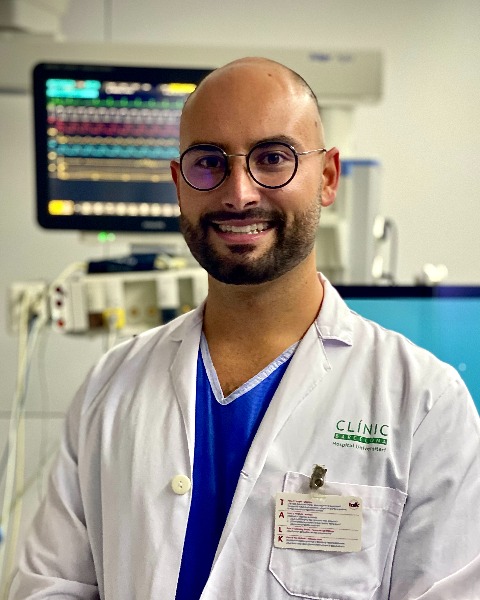
Pedro Filipe Cartaxo Cintra: No financial relationships to disclose
Identified Gap(s): The identified gap extends beyond merely tracking technological advancements; it encompasses the pressing need for tailored and inventive strategies and tools across four domains: clinical setting (patients, families, and healthcare professionals), education, management, and research. As facilitators/participants within one or more of these realms, it is paramount to anticipate forthcoming challenges and current community needs to develop effective strategies. Nonetheless, delving into the historical context is equally essential to navigate each field adeptly and comprehend the collective influence of these four domains.
Description of current state: In the dynamic landscape of nursing education and practice, the current state of technological integration presents a multifaceted tapestry. The introduction of clinical simulation has not only revolutionized educational approaches but also holds potential for reshaping clinical practices. However, a critical challenge lies in defining simulation: is it a strategy, a method, a methodology, or a theory? This ambiguity underscores the complexity of its integration. Across the four main fields, nursing clinical simulation is being applied in various ways, reflecting the diverse needs and contexts of nursing practice. Yet, there remains uncertainty about its optimal use within curricula, leading to ongoing adaptations and explorations. Nevertheless, efforts to systematize simulation application are underway, offering insights into current and future needs and paving the way for more effective integration strategies.
Description of desired/achievable state: It is imperative to delve into its past, present, and future trajectories of clinical simulation. Understanding this evolution is pivotal for discerning the challenges, opportunities, and avenues for innovation that lie ahead. The future of nursing clinical simulation holds immense potential to elevate levels of clinical safety, enhance the quality of care, and promote the wellbeing of healthcare professionals and patients/families. While we may anticipate certain aspects of this future landscape, each individual harbors unique perspectives and concerns. Therefore, defining a collective path forward is paramount — not to predict the future, but to ensure that we are on the right trajectory. Aligning perspectives and fostering shared frameworks and mental models across the four main fields of nursing promotes situational awareness among educators, facilitators, participants, professionals, and patients/families alike. By collectively shaping this vision, we can harness the full potential of clinical simulation to drive meaningful advancements in nursing practice and education.
Learning Objectives:
Develop a shared understanding of the past, present, and potential future trajectories of nursing clinical simulation.
Identify key opportunities for innovation and improvement in nursing clinical simulation to enhance clinical safety, quality of care, and the wellbeing of healthcare professionals and patients/families.
Facilitate collaborative discussions and situational awareness to develop potential frameworks and mental models for the effective integration of nursing clinical simulation across patient/family care, clinical settings, education, and research domains.